

The International Business Centre of Madeira, explained
How the IBC's 5% corporate tax regime works, who qualifies, what it costs to meet the substance requirements, and why 2026 is the year to act.
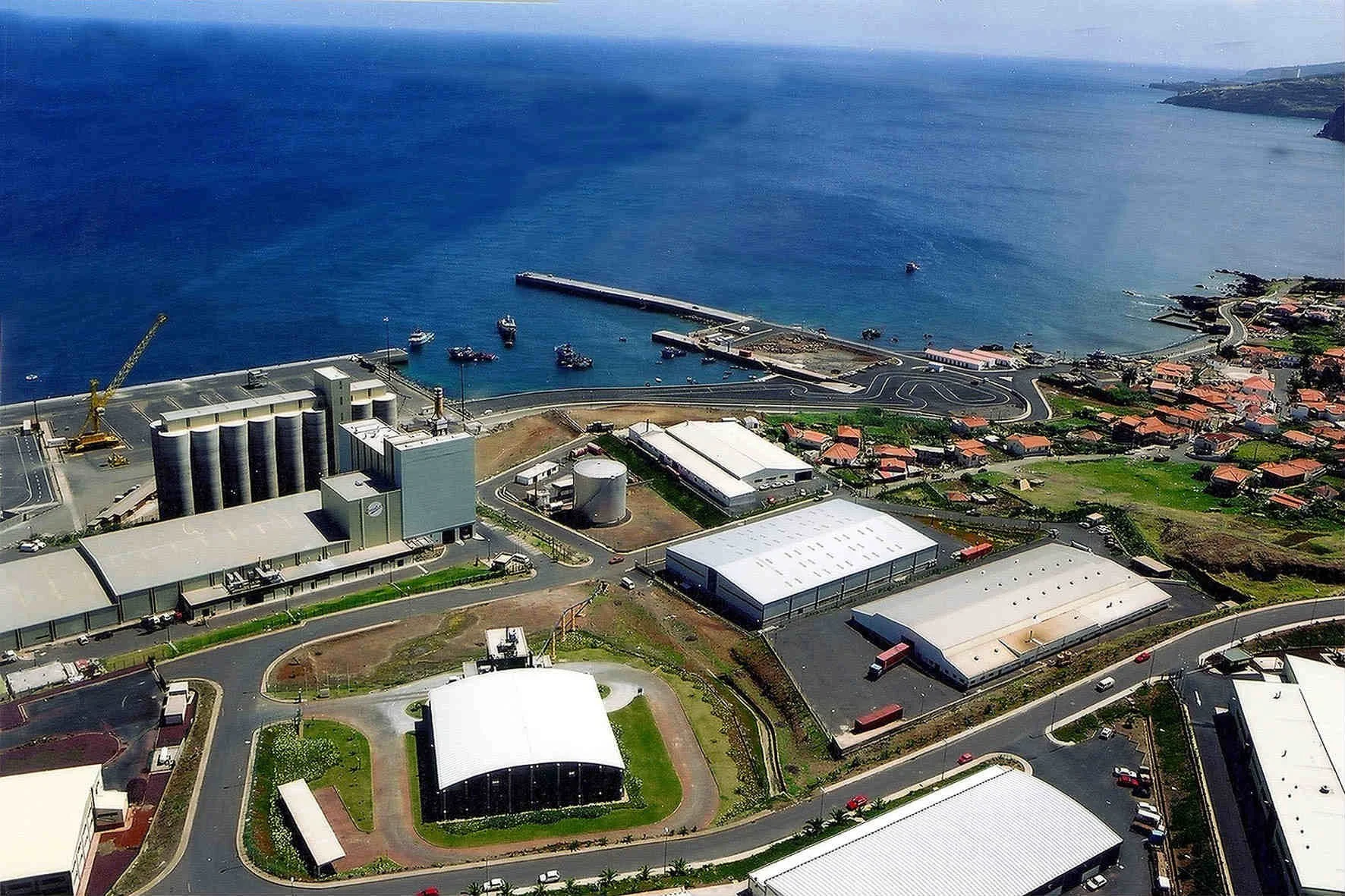
The International Business Centre of Madeira (IBC), also called the CINM or the Madeira Free Trade Zone, is one of the few EU-approved regimes that still offers a single-digit corporate tax rate. Companies licensed under it pay just 5% corporate income tax on qualifying international income, instead of Madeira's standard 13.3% rate. This guide sets out exactly how the regime works, what it requires, and what it costs to stay compliant, so you can decide whether an IBC entity fits your business.
What is the IBC Madeira?
The IBC Madeira is a regional tax and business framework created under Portuguese and EU law to attract international companies to the Autonomous Region of Madeira. It is administered by SDM, Sociedade de Desenvolvimento da Madeira, the entity responsible for licensing, and its tax rules sit within Article 36-A of the Portuguese Tax Benefits Statute.
Unlike offshore structures, the IBC operates fully inside the European Union and the eurozone. It has been reviewed and approved by the European Commission as a form of regional state aid, which means the reduced rate comes with a trade-off: companies must build genuine economic substance in Madeira, not just register an address.
The 5% tax rate explained
The 5% rate applies to income earned from operations with clients and partners outside Portugal, the core of most IBC companies' activity. Income from Portuguese clients doesn't qualify: it's taxed at the standard Madeira IRC rate of 13.3%, the same rate any ordinary Madeira company pays. In practice, this means an IBC company's revenue is split into two tax "buckets" depending on where the client is based, and each is reported and taxed separately.
The 5% rate is also capped: it only applies up to an annual taxable-income ceiling that scales with the number of jobs the company maintains in Madeira. Income above that ceiling reverts to the standard rate. The full ceiling table is set out below in section 4.
Requirements to qualify
Every entity has to earn its licence through one of two routes, and there's no minimum-effort shortcut:
Jobs + investment
Create 1–5 real, full-time jobs in Madeira within the first 6 months, and invest at least €75,000 in fixed assets (tangible or intangible) within the first 2 years.
Jobs only, no investment floor
Create 6 or more real, full-time jobs in Madeira. With this headcount, there's no minimum fixed-asset investment requirement.
Beyond the jobs-and-investment route you choose, every entity must also meet these conditions:
- Genuine employment: jobs must be physically based in Madeira, contracted directly to the entity, and not shared with other companies, even related ones.
- Registered office: the company must hold a registered office in Madeira.
- Licensing deadline: the SDM licence must be obtained by 31 December 2026 to secure the 5% rate through 31 December 2033.
- Ring-fenced income: only non-Portuguese income qualifies for 5%; Portuguese-client income is taxed at 13.3%.
- Standalone substance: every entity needs its own licence and its own jobs and investment. A group cannot pool substance across several IBC companies.
Taxable-income ceilings for the 5% rate
The 5% rate applies up to an annual taxable-income ceiling, set according to the number of jobs created:
| Jobs created | Taxable income eligible for 5% |
|---|---|
| 1–2 jobs | €2.73 million |
| 3–5 jobs | €3.55 million |
| 6–30 jobs | €21.87 million |
| 31–50 jobs | €35.54 million |
| 51–100 jobs | €54.68 million |
| More than 100 jobs | €205.50 million |
Income above the relevant ceiling is taxed at the standard Madeira IRC rate. For most new entrants, the 1–2 or 3–5 job ceilings comfortably cover early-stage taxable income.
Cost of a Madeira-based employee
Every IBC entity needs at least one Madeira-based employee to meet the substance requirement. Using the 2026 regional minimum wage of €980/month, here is the approximate annual employer cost for one qualifying employee:
| Item | Amount |
|---|---|
| Gross salary (€980 × 14 months) | €13,720 / year |
| Employer Social Security (23.75%) | ≈ €3,258.50 / year |
| Meal allowance | ≈ €1,488.30 / year |
| Approximate total employer cost | ≈ €18,466.80 / year (≈ €1,538.90 / month) |
This figure is a useful planning baseline. Roles requiring more experienced or specialised staff will cost more, but it gives a realistic floor for budgeting the substance side of an IBC structure.
Other tax benefits
The 5% corporate rate is the headline benefit, but licensed IBC companies typically also gain:
Dividend withholding exemption
No withholding tax on dividends paid to most non-resident shareholders (exceptions apply for blacklisted jurisdictions).
Reduced stamp duty
An 80% exemption from stamp duty on qualifying documents and contracts.
Reduced property taxes
An 80% exemption from municipal property tax and property transfer tax on assets used in the business.
Full EU market access
As a Portuguese and EU entity, trade, invoice and bank across the EU without the friction of traditional offshore jurisdictions.
The 2026 deadline
Companies that obtain their SDM licence before this date lock in the 5% rate on qualifying income through 31 December 2033. After the deadline, this specific window to enter the regime closes, so the practical planning, incorporation, and staffing steps need to start well ahead of year-end. Licensing is the final step of a process, not something arranged in a day.
How Conta Plena helps
We guide international clients through the full IBC process, from structuring to licensing to ongoing compliance:
Eligibility & structure
We assess your business activity, headcount, and investment plans against the IBC rules and design the right entity structure.
Incorporation & licensing
We handle company formation, registered office, and the SDM licence application from start to finish.
Substance & payroll
We help recruit, contract, and run payroll for your Madeira-based staff to meet job creation requirements.
Ongoing compliance
We manage bookkeeping, IRC filings, and the annual reporting that keeps your 5% rate secure year after year.
Frequently asked questions
The International Business Centre of Madeira (IBC), also known as CINM or the Madeira Free Trade Zone, is an EU-approved regime that lets licensed companies pay a 5% corporate income tax rate on qualifying international income, in exchange for creating real jobs and investment in Madeira.
New entities must obtain their licence from SDM by 31 December 2026 to secure the 5% rate, which then applies until 31 December 2033.
No. The 5% rate applies only to income from non-Portuguese operations. Income from Portuguese clients is taxed at the standard Madeira IRC rate of 13.3%.
A company must create between 1 and 5 real, full-time jobs in Madeira within the first six months and invest at least €75,000 in fixed assets within two years, or create 6 or more jobs with no minimum investment requirement.
No. Each licensed entity needs its own substance, its own jobs and its own investment, even if it belongs to a wider corporate group.
Ready to explore the IBC Madeira?
Talk to our team about eligibility, structuring, and the 31 December 2026 licensing deadline.
Book a meeting